„America’s Greatest Holiday“
Amusements of 19th-Century German Emigrants on Independence Day
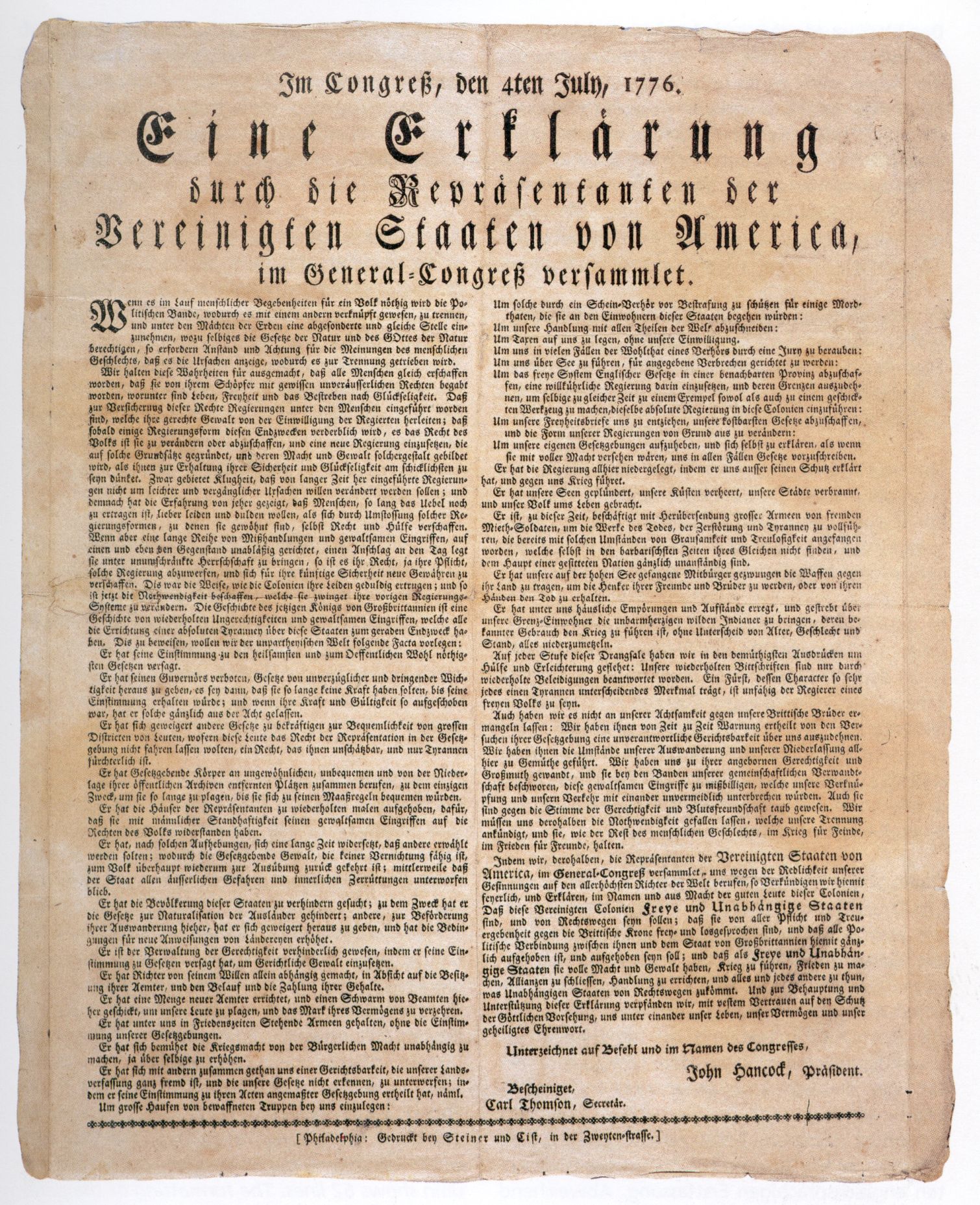
Fig. 1: German translation of the Declaration of Independence of the United States of America, 1776.
“We hold these truths to be self-evident, that all men are created equal, that they are endowed by their Creator with certain unalienable Rights, that among these are Life, Liberty and the pursuit of Happiness.”
With this appeal to human rights, the thirteen English colonies in North America declared their independence from Great Britain 250 years ago, on July 4, 1776. However, it was not until after eight and a half years of war against their former mother country that the United States gained international recognition as a sovereign nation.
About a century later, the population was deeply divided. The central point of contention was the issue of slavery. The Southern states formed a confederation and sought secession. These differences culminated in a civil war that claimed approximately 750,000 lives between 1861 and 1864. Ultimately, slavery—defined as the total economic and legal dependence of one person upon another—was abolished, and the states were reunited.
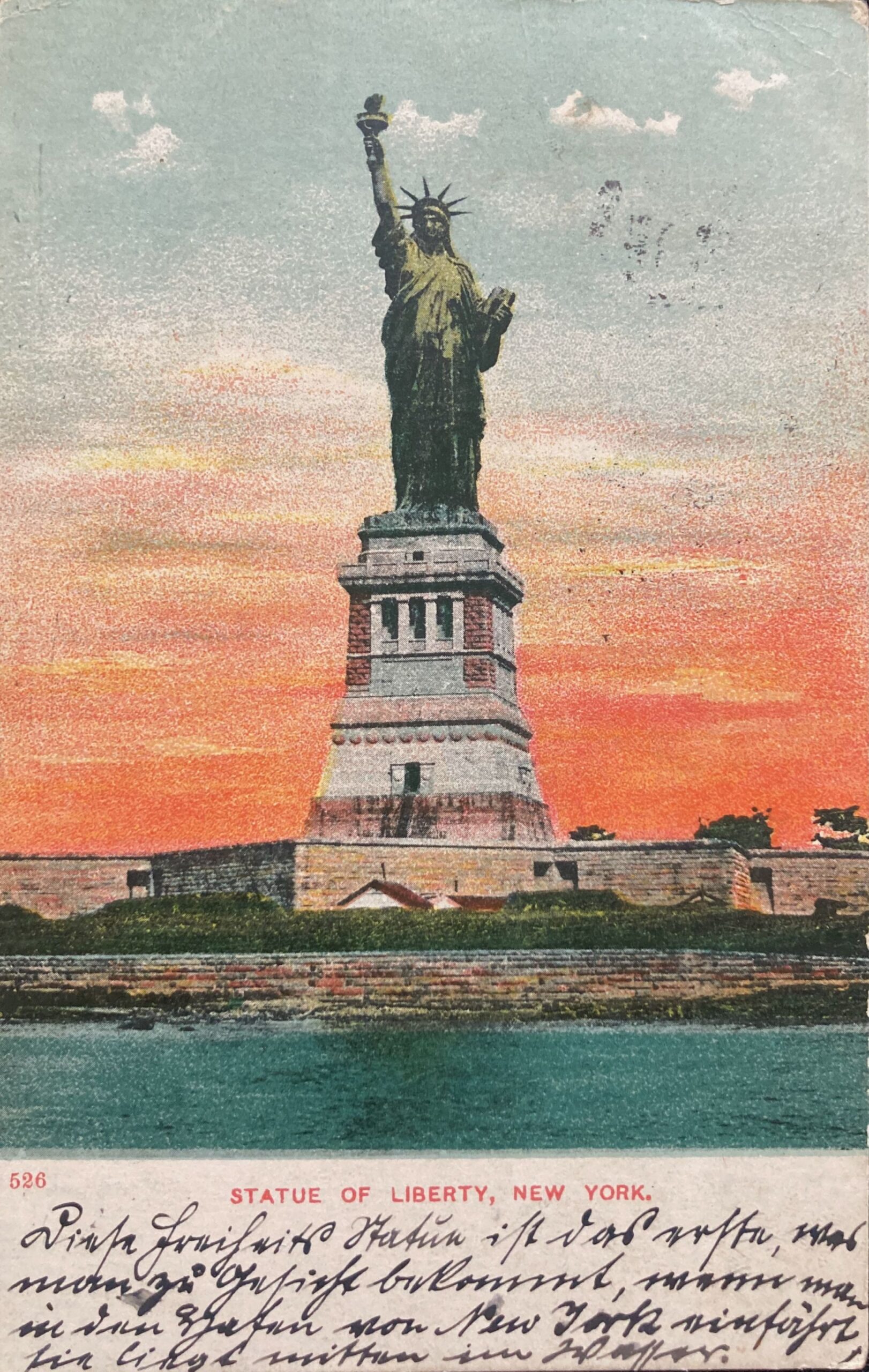
Fig. 2: Postcard of the Statue of Liberty in New York, written in 1908.
Twelve years after the peace agreement that ended the Civil War, the centennial of the Declaration of Independence was celebrated. To mark the occasion, the United States hosted a World’s Fair for the first time. Fittingly, it took place in Philadelphia, Pennsylvania, where Congress had signed the nation’s “birth certificate” in 1776. Groups that did not enjoy all the fundamental rights enshrined in the Declaration of Independence used the anniversary as an occasion for protest. On July 4, 1876, for instance, the National Woman Suffrage Association demonstrated outside Independence Hall in Philadelphia, advocating voting rights for all women.
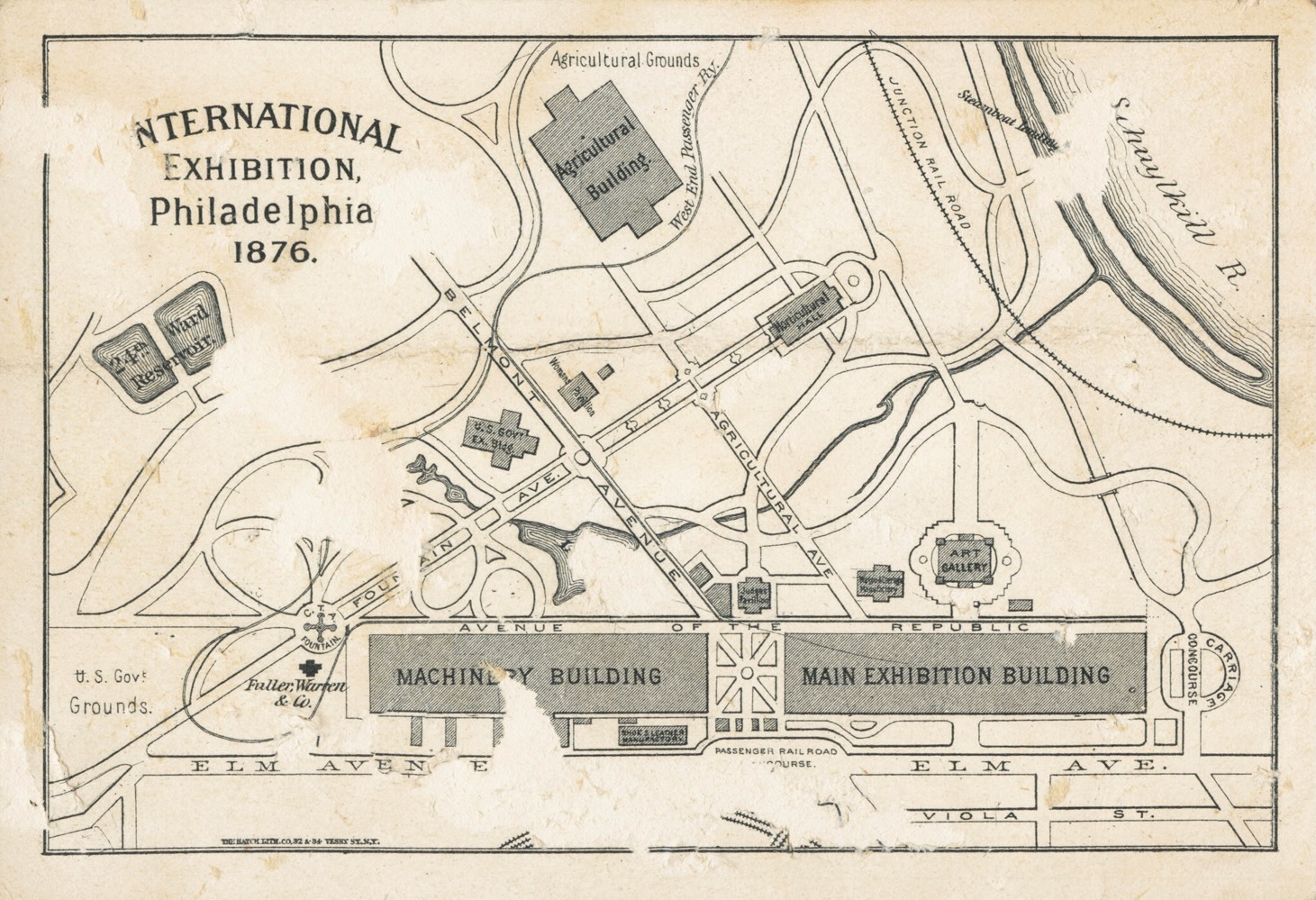
Fig.3: Map of the World’s Fair in Philadelphia in 1876.
But how did the throngs of new inhabitants, who had left their homelands in the second half of the 19th century, lured by the prospect of a better life, perceive this holiday? A selection from the extensive collection of letters written by German immigrants in the United States offers some insights. This collection was established by the Ruhr University in Bochum in the 1980s and has been housed and continuously expanded at the Gotha Research Library since 2002.1Kamphoefner/Helbich/Sommer (1988).
What emigrants reported to their families and friends back in Germany regarding this national holiday rarely touched upon matters of high politics or human rights. Time and again, they emphasized that on July 4th—“America’s greatest holiday“2Kamphoefner/Helbich/Sommer (1988), p. 431. —no one had to work. Above all, they recounted the festivities they had enjoyed with others on that day. For instance, Matthias Dorgathen from the Ruhr region, who worked as a miner in the rapidly growing industrial city of Massillon, Ohio, wrote in 1881, „there is music everywhere,“ and two years later, „we all had a bit too much to drink—that’s just how it is here on the Fourth of July.“3Kamphoefner/Helbich/Sommer (1988), pp. 431, 455. Margarethe Winkelmeier, a domestic worker in Indianapolis, Indiana, gave a similar account.4Kamphoefner/Helbich/Sommer (1988), pp. 581f. Thanks to rapid rail connections, she was able to meet up with other immigrants from the Minden-Ravensberg area on July 4, 1868, and celebrate at a fair. Margarethe Winkelmeier danced until her white dress was completely soaked with sweat. Summing up the experience, she wrote: „We’ve never had such a good time together as we did that day.“5Kamphoefner/Helbich/Sommer (1988), p. 582.
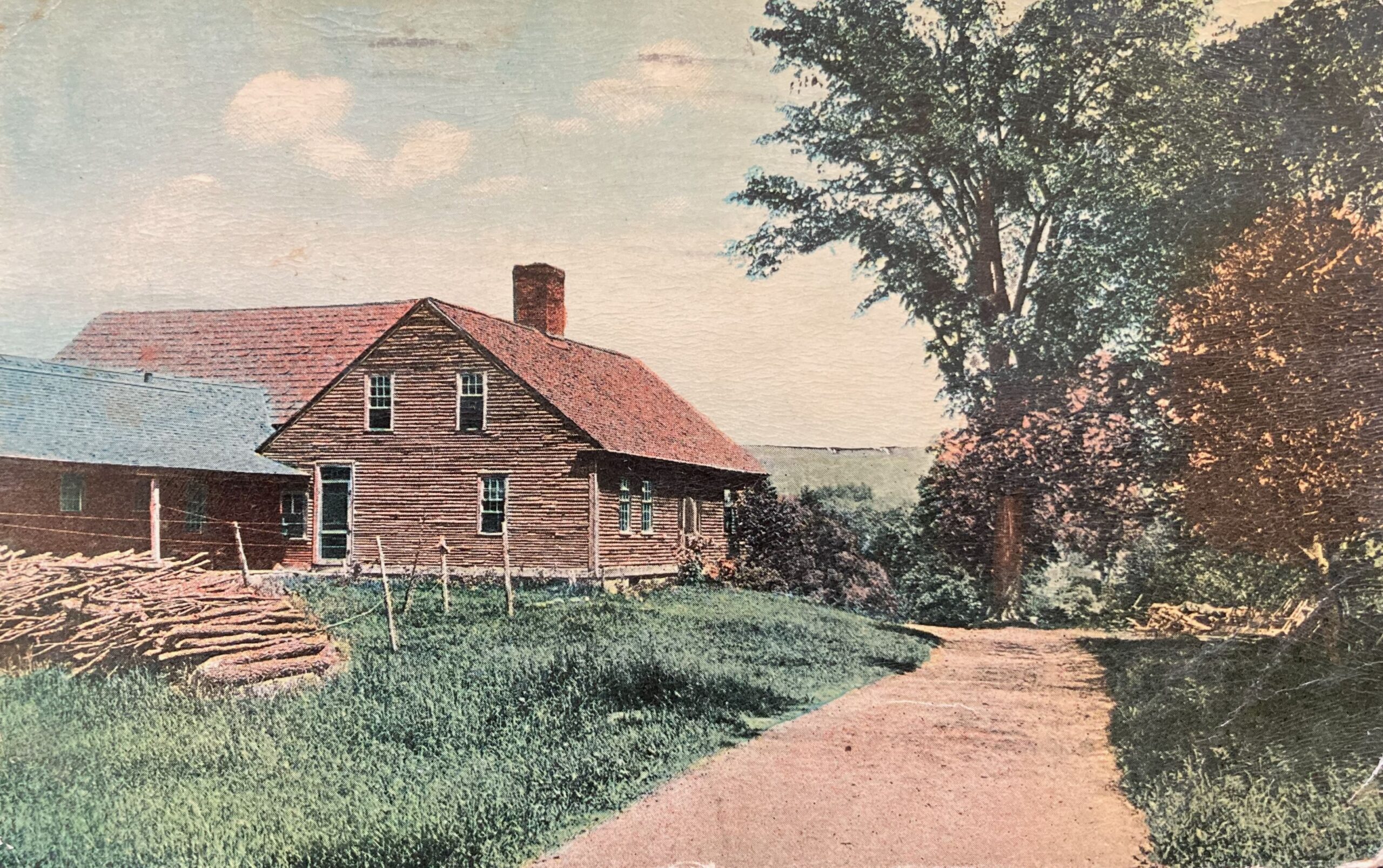
Fig. 4: Postcard of an American farm in the country, written in 1913.
The Fourth of July was celebrated in rural areas as well. In 1876, looking ahead to the upcoming grand anniversary, Johann Bauer from Baden, who ran a farm at Floyd’s Creek, Missouri, wrote: “We, too, here on our quiet farms will gather together and—doubtless with some fried chicken and other good things—observe the celebration; and by inviting someone to give a good speech full of enthusiasm for liberty, we will derive as much enjoyment as is possible for us here.”6Kamphoefner/Helbich/Sommer (1988), pp. 175f. Bauer’s letter also reflects the general public’s interest in the Philadelphia exhibition, which was hosting the world, as well as the power of historical commemoration to forge identity: “On July 4, 1876—or rather, this year—the festival marking the United States’ centennial of independence is being celebrated in the city of Philadelphia. Extensive preparations are already underway to welcome the guests who will be flocking from all nations to visit the city, all the more so because an art exhibition is being held in conjunction with the event. This celebration is the talk of the town and will surely be observed across the entire country—by high and low, rich and poor, in populous cities and on quiet, isolated farms; indeed, even in the wilderness where there is but a single homestead, a celebration of some sort will likely take place.”
Regardless of their station in life, people across the country celebrated, and all sought their own happiness in their new environment.
Daniel Gehrt
Dr Daniel Gehrt is research associate for the cataloging of early modern manuscripts at the Gotha Research Library.
Online resource
- Declaration of Independence of the thirteen United State of North America from July 4, 1776, in the portal “Verfassungen der Welt”. URL: https://www.verfassungen.net/us/unabhaengigkeit76.htm (accessed July 1, 2026).
Secondary sources
- News from the Land of Freedom: German Immigrants Write Home, ed. by Walter D. Kamphoefner, Wolfgang Helbich, and Ulrike Sommer, and trans. by Susan Carter Vogel. Munich 1988.
- Bruno Giberti: Designing the Centennial: A History of the 1876 International Exhibition in Philadelphia. Lexington, Kentucky, 2015.
- Udo Sautter: Geschichte der Vereinigten Staaten von Amerika. Stuttgart 2013.
Image credits
- German translation of the Declaration of Independence of the United States of America, 1776. German Historical Museum in Berlin (public domain).
- Postcard of the Statue of Liberty in New York, written in 1908. Gotha Research Library, NABS, Old Collection v.d. Straten/Hoffmann. Brother 1907–1911.
- Map of the World’s Fair in Philadelphia in 1876 (public domain).
- Postcard of an American farm in the country, written in 1913. Gotha Research Library, NABS, Old Collection v.d. Straten/Hoffmann. Parents 1900–1913.
Fig. at the home page: Stamps commemorating the bicentennial celebration of the Declaration of Independence of the United States, 1976. From the collection of the author